Benjamin Franklin
By: Samira A.
3 Major Accomplishments
In 1776, Benjamin Franklin helped draft the Declaration of Independence, and shortly after, he went to Paris, to try and negotiate a treaty with the French.

Benjamin Franklin helping with the rough draft of the Declaration of Independence
In the summer of 1752, Ben Franklin put a key on a kite string, and flew it into the air. It took some time, but after a while, he finally noticed some strings from the kite that were standing on end. (Like your hair does after you rub it with a balloon!) So he too his knuckle to the key, and felt an electric shock, and that's the story with the kite and the key!
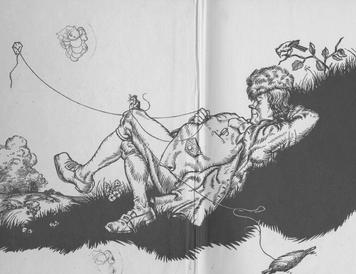
Ben Franklin doing the key and the kite experiment.
In the early 18th century, music was played on upright wine goblets. (People would wet their finger, and run it around the lip of the goblet and with different amounts to drink in the glass, different sounds would come from it.) But after a while, Ben Franklin decided there need to be more than just win goblets. So, in 1761, Benjamin Franklin created a larger version of the wine goblet, and called it the Armonica. (It's the Italian word for harmony.) Ben Franklin worked with glassblower Charles James, from London, to build his Armonica.
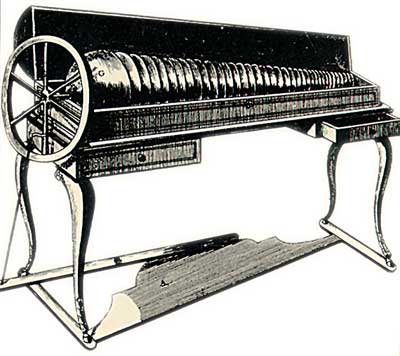
Armonica that Ben Franklin and Charles James worked on
Benjamin Franklins Life Story
It all started in the town of Boston, on the date January 17, 1706.
This was the day Benjamin Franklin was born. His father Josiah
Franklin who was a father to 17 children, was married to Abiah Folger
his second wife. Now, Josiah had said he wanted Benjamin to be into
clergy, which means someone who had religious duties. In order for
Benjamin he would have to go to school for many years, but his father
could only pay for one year. That's when Benjamin had taken some
pamphlets he had made when working with his brother James and his
printer place, and sold some on the streets to pay for school.
Three years had gone and Benjamin was 15 years old now, and started
taking being the Apprentice at the Printer shop very serous. He loved
working there, he even wanted to publish thing s in the " The New
England Courant" too, but that was something his brother and his
brothers friends did too. That's when he decided he'll write letters
of things that could be posted in the paper and put it in the door of
the printer shop at night. After sixteen letters, they had were a hit!
Everyone loved them! That's when Benjamin told his brother it was him
writing the letters and he became jealous. Before long James had been
locked up for the bad reviews that was put in his paper, and by the
time he got out all he did was beat Benjamin for locking him up. In
1723 Benjamin had ran way.
Around the years of 1723 it was illegal to run away, because it was
easy to tell if you didn't belong there, but Benjamin still done it
anyway. Benjamin had taken a boat to Philadelphia hoping to find a new
job as a printer. With no where to stay on October 6th, 1723 a girl
named Deborah Read had taken him in not knowing in seven years they
would be married. After some time Benjamin had found an
apprenticeship at another printer shop. He was doing such a good job
that he was sent over to London to get more things to help the printer
company, but instead of coming back right away he was forced to stay
and work there. By the time he had came back his lover Deborah had
found another man to get married to. Benjamin was sad, but a few years
later he ended up getting married to her because he other husband had
ran off leaving her free. For the next few years Benjamin and his wife
was happy and successful becoming the best newspaper in town.
As years gone by in 1730 to 1740 a lot has happened in Benjamin life.
He wrote and published a book with many tips and great information, he
launched a project to help pave, clean, and light up streets of
Philadelphia, he started to help clean up area's around him, he
launched the Library Company making it the first subscription library,
He also helped to launch the American Philosophical Society,helped
treat peoples sicknesses which had helped bring a group of people
together and help out in the hospital. He had also organized
Philadelphia's Union Fire Company, the first in the city, "An ounce of
prevention is worth a pound of cure" was his quote. Lastly 1752, he
helped to found Philadelphia Contribution of Insurance. This was when
you Loss things in a Fire so they wouldn't be wiped out financially
As business was thriving in this 1730s and 1740s. He started setting
up franchise printing partnerships, and by 1749 he retired and started
science experiments and inventions. In 1743, he already invented a
heat-efficient stove and called it the Franklin stove. In the early
1750's he turned to the study of electricity. He had done a kite
experiment, which verified the nature of electricity and lightning
brought him fame.
This was the day Benjamin Franklin was born. His father Josiah
Franklin who was a father to 17 children, was married to Abiah Folger
his second wife. Now, Josiah had said he wanted Benjamin to be into
clergy, which means someone who had religious duties. In order for
Benjamin he would have to go to school for many years, but his father
could only pay for one year. That's when Benjamin had taken some
pamphlets he had made when working with his brother James and his
printer place, and sold some on the streets to pay for school.
Three years had gone and Benjamin was 15 years old now, and started
taking being the Apprentice at the Printer shop very serous. He loved
working there, he even wanted to publish thing s in the " The New
England Courant" too, but that was something his brother and his
brothers friends did too. That's when he decided he'll write letters
of things that could be posted in the paper and put it in the door of
the printer shop at night. After sixteen letters, they had were a hit!
Everyone loved them! That's when Benjamin told his brother it was him
writing the letters and he became jealous. Before long James had been
locked up for the bad reviews that was put in his paper, and by the
time he got out all he did was beat Benjamin for locking him up. In
1723 Benjamin had ran way.
Around the years of 1723 it was illegal to run away, because it was
easy to tell if you didn't belong there, but Benjamin still done it
anyway. Benjamin had taken a boat to Philadelphia hoping to find a new
job as a printer. With no where to stay on October 6th, 1723 a girl
named Deborah Read had taken him in not knowing in seven years they
would be married. After some time Benjamin had found an
apprenticeship at another printer shop. He was doing such a good job
that he was sent over to London to get more things to help the printer
company, but instead of coming back right away he was forced to stay
and work there. By the time he had came back his lover Deborah had
found another man to get married to. Benjamin was sad, but a few years
later he ended up getting married to her because he other husband had
ran off leaving her free. For the next few years Benjamin and his wife
was happy and successful becoming the best newspaper in town.
As years gone by in 1730 to 1740 a lot has happened in Benjamin life.
He wrote and published a book with many tips and great information, he
launched a project to help pave, clean, and light up streets of
Philadelphia, he started to help clean up area's around him, he
launched the Library Company making it the first subscription library,
He also helped to launch the American Philosophical Society,helped
treat peoples sicknesses which had helped bring a group of people
together and help out in the hospital. He had also organized
Philadelphia's Union Fire Company, the first in the city, "An ounce of
prevention is worth a pound of cure" was his quote. Lastly 1752, he
helped to found Philadelphia Contribution of Insurance. This was when
you Loss things in a Fire so they wouldn't be wiped out financially
As business was thriving in this 1730s and 1740s. He started setting
up franchise printing partnerships, and by 1749 he retired and started
science experiments and inventions. In 1743, he already invented a
heat-efficient stove and called it the Franklin stove. In the early
1750's he turned to the study of electricity. He had done a kite
experiment, which verified the nature of electricity and lightning
brought him fame.
Bibliography:
http://www.aip.org/history/gap/Franklin/Franklin.html "Benjamin Franklin 1706-1790." Benjamin Franklin 1706-1790. N.p., n.d. Web. 12 Jan. 2014.
http://en.wikipedia.org/wiki/United_States_Declaration_of_Independence "United States Declaration of Independence." Wikipedia. Wikimedia Foundation, 01 May 2014. Web. 12 Jan. 2014.
http://www.ushistory.org/franklin/info/inventions.htm "Benjamin Franklin's Inventions." Ushistory.org. Independence Hall Association, n.d. Web. 15 Jan. 2014.
http://www.fi.edu/franklin/ "Benjamin Franklin: Glimpses of the Man." The World of Benjamin Franklin. N.p., n.d. Web. 15 Jan. 2014.
Webpage made by Samira A. I chose Ben Franklin because he seems pretty neat. One thing about myself is I like food because food is good.
http://www.aip.org/history/gap/Franklin/Franklin.html "Benjamin Franklin 1706-1790." Benjamin Franklin 1706-1790. N.p., n.d. Web. 12 Jan. 2014.
http://en.wikipedia.org/wiki/United_States_Declaration_of_Independence "United States Declaration of Independence." Wikipedia. Wikimedia Foundation, 01 May 2014. Web. 12 Jan. 2014.
http://www.ushistory.org/franklin/info/inventions.htm "Benjamin Franklin's Inventions." Ushistory.org. Independence Hall Association, n.d. Web. 15 Jan. 2014.
http://www.fi.edu/franklin/ "Benjamin Franklin: Glimpses of the Man." The World of Benjamin Franklin. N.p., n.d. Web. 15 Jan. 2014.
Webpage made by Samira A. I chose Ben Franklin because he seems pretty neat. One thing about myself is I like food because food is good.
