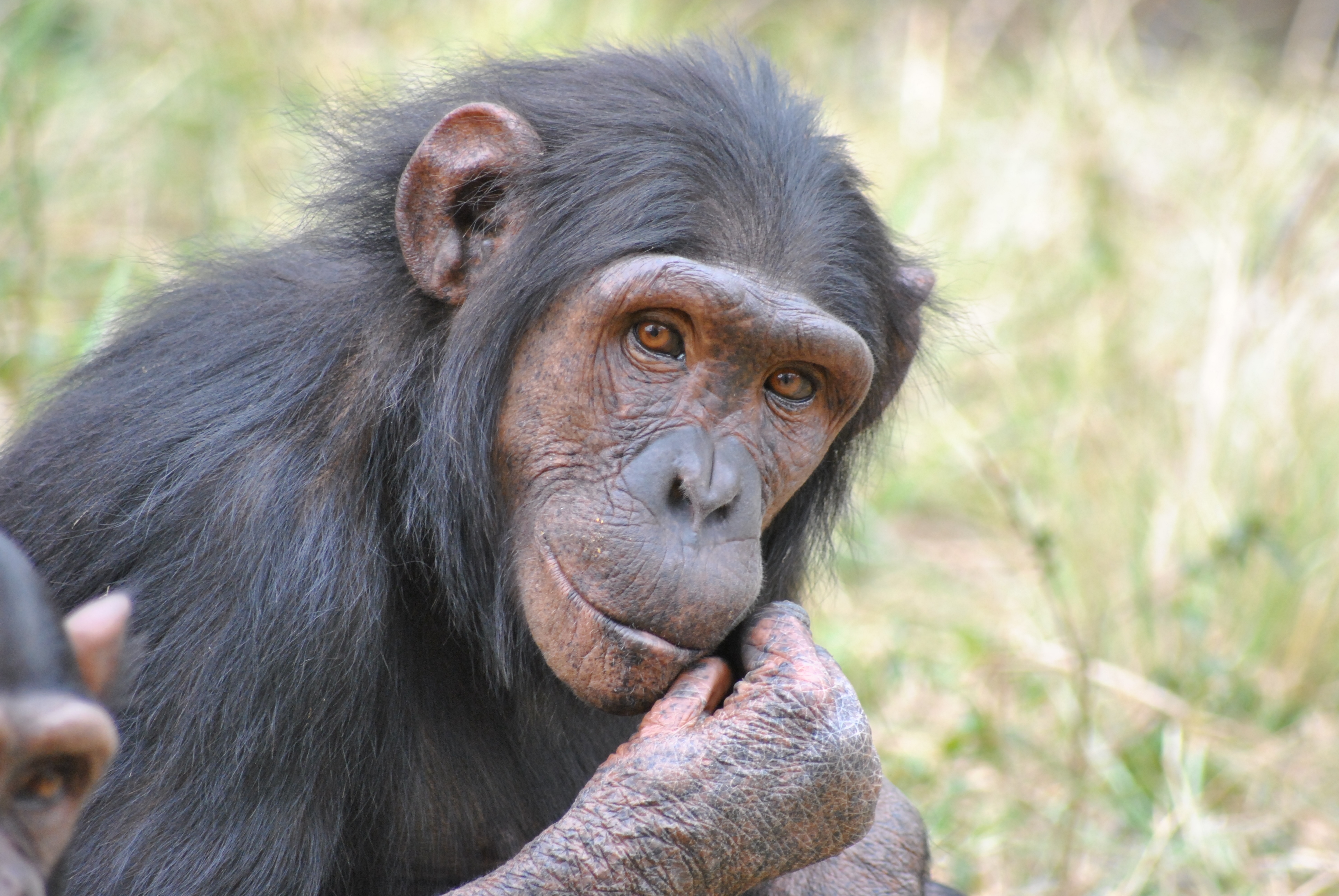
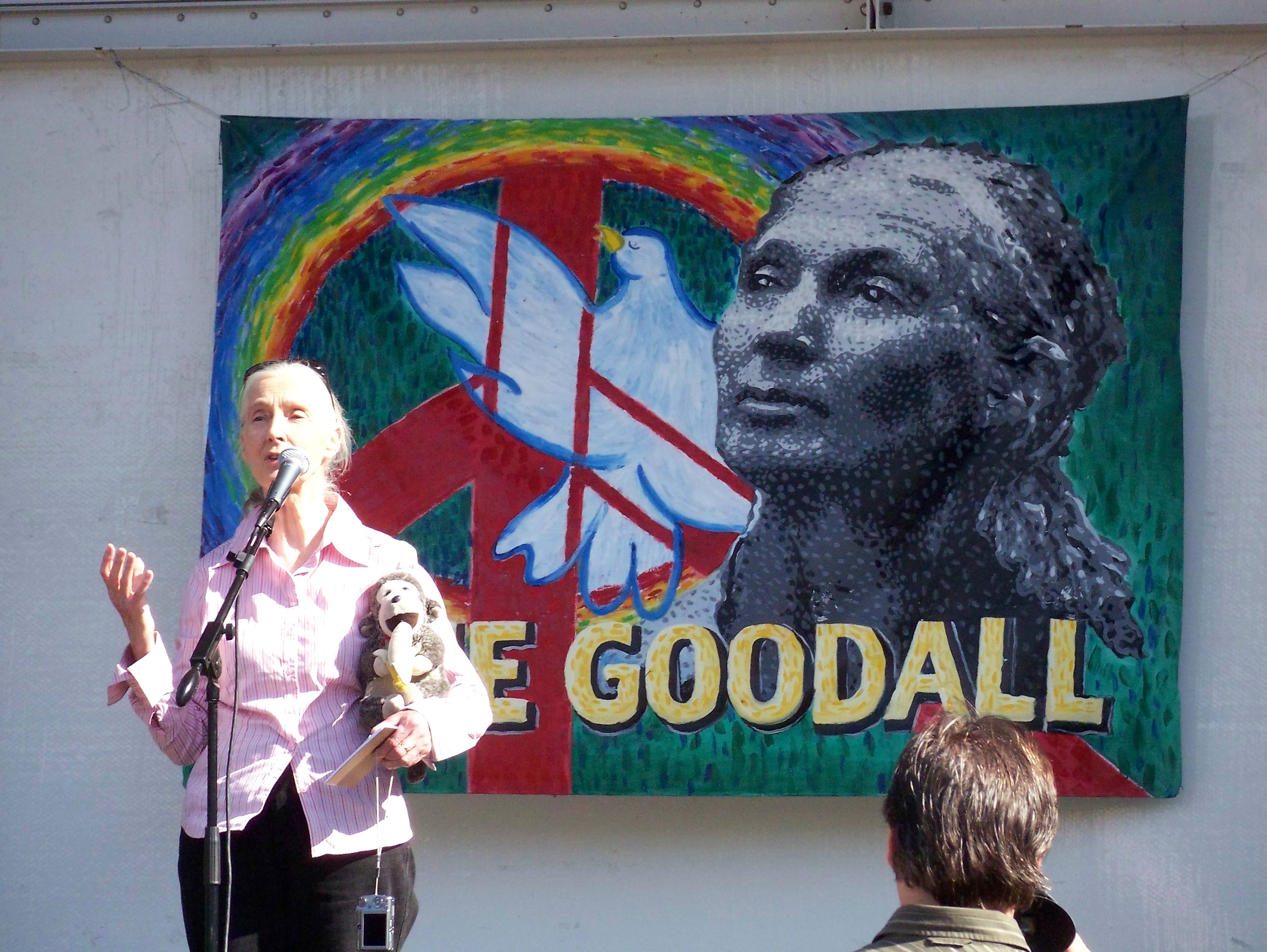
Jane Goodall
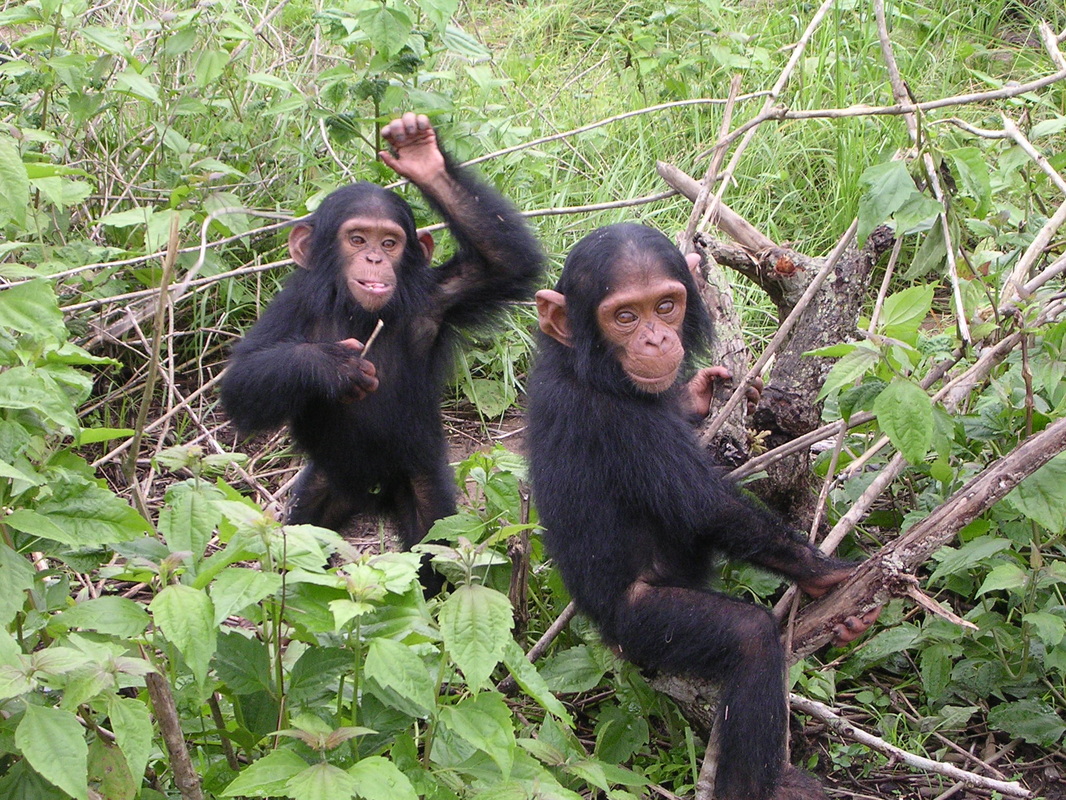
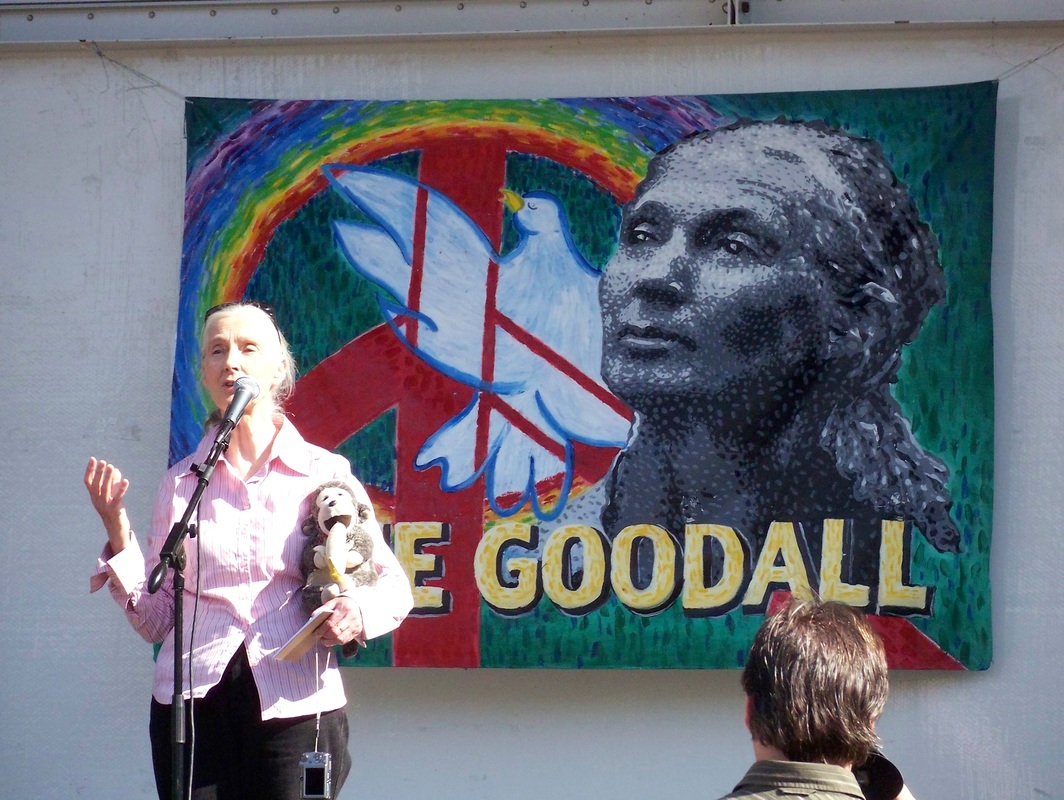
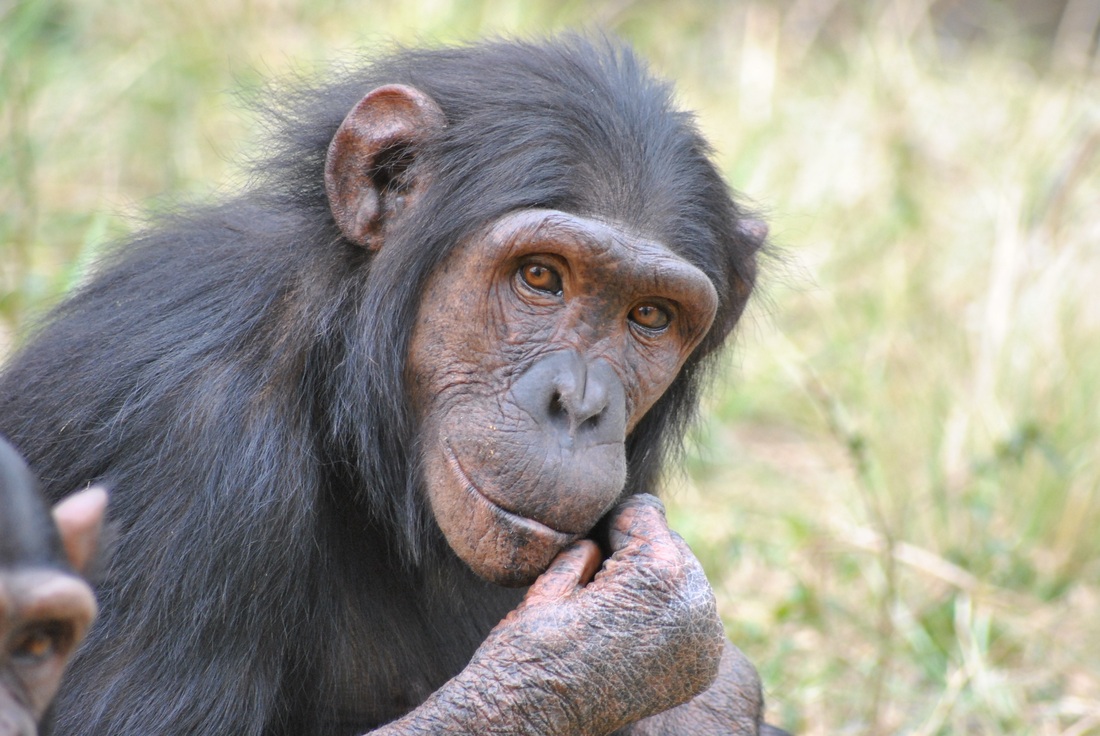
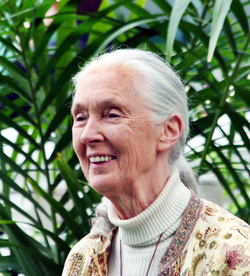
Story of Her Life
Jane Goodall was born in London, England on April 3, 1934. Jane grew up in a large house near Bournemouth, England. Her aunts lived with her as well in the house. As she started growing up, she spent more and more time outdoors. Jane would experiment different creatures in her backyard. Jane loved the Tarzan stories, Jane herself thought that she would make a “better” Jane for Tarzan. She enjoyed reading stories that took place in Africa. Around the age of eleven she wanted to live in Africa.
Jane married a Dutch photographer, Hugo Van Lawick in 1964. They met while Hugo was covering for Jane at National Geographic. They both shared a love for the jungle and the various of animals there was. They had a son, Hugo, also known as Grub. Grub grew up in Tanzania meanwhile his mother did her research. Jane and Hugo wanted to raise their children in almost the same way as chimpanzee’s raised their babies. Jane loved the compassion and patience of Flo, and older chimp mother. Jane watched as Flo used distraction when her son Flint got a little suspicious. Later, Jane and Hugo got divorced and Jane married Derek Bryceson. Derek was a politician and former head of the National Parks in Tanzania. Derek passed away 5 years after marriage of cancer.
Jane didn't go to college, she took secretarial courses. She waited to help get funds for her first trip to Africa. Jane, in her twenties, found herself in Africa. She found a job in Africa in the meantime. Jane was doing a research at Gombe for 38 years. Jane was prepared to go to the jungle on her own, she was going to explore the lives of chimpanzee’s. The government thought it wasn't safe for her to go explore the jungle without another person.
Jane Goodall was born in London, England on April 3, 1934. Jane grew up in a large house near Bournemouth, England. Her aunts lived with her as well in the house. As she started growing up, she spent more and more time outdoors. Jane would experiment different creatures in her backyard. Jane loved the Tarzan stories, Jane herself thought that she would make a “better” Jane for Tarzan. She enjoyed reading stories that took place in Africa. Around the age of eleven she wanted to live in Africa.
Jane married a Dutch photographer, Hugo Van Lawick in 1964. They met while Hugo was covering for Jane at National Geographic. They both shared a love for the jungle and the various of animals there was. They had a son, Hugo, also known as Grub. Grub grew up in Tanzania meanwhile his mother did her research. Jane and Hugo wanted to raise their children in almost the same way as chimpanzee’s raised their babies. Jane loved the compassion and patience of Flo, and older chimp mother. Jane watched as Flo used distraction when her son Flint got a little suspicious. Later, Jane and Hugo got divorced and Jane married Derek Bryceson. Derek was a politician and former head of the National Parks in Tanzania. Derek passed away 5 years after marriage of cancer.
Jane didn't go to college, she took secretarial courses. She waited to help get funds for her first trip to Africa. Jane, in her twenties, found herself in Africa. She found a job in Africa in the meantime. Jane was doing a research at Gombe for 38 years. Jane was prepared to go to the jungle on her own, she was going to explore the lives of chimpanzee’s. The government thought it wasn't safe for her to go explore the jungle without another person.
Major Scientific Accomplishments
Jane Goodall was the president of Advocates for Animals from 1998 to 2008. She has gotten many awards for the Kyoto Prize, the Benjamin Franklin Medal in Life Science, the Rainforest Alliance Champion Award, The Primate Society of Great Britain Conservation Award, also being named as a United Nations Messenger of Peace in 2002. Unlike many other researchers, Jane Goodall named all of the animals that were a part of her studies, number were assigned to know who to remove the possibility of the researcher becoming closer to the subject.
Jane Goodall was the president of Advocates for Animals from 1998 to 2008. She has gotten many awards for the Kyoto Prize, the Benjamin Franklin Medal in Life Science, the Rainforest Alliance Champion Award, The Primate Society of Great Britain Conservation Award, also being named as a United Nations Messenger of Peace in 2002. Unlike many other researchers, Jane Goodall named all of the animals that were a part of her studies, number were assigned to know who to remove the possibility of the researcher becoming closer to the subject.
Images Used:http://farm2.staticflickr.com/1026/5187397037_ff369aa20d_o.jpg
ttp://farm2.staticflickr.com/1139/1438378631_6ac41b10a7_o.jpg
Story of her life: http://www.janegoodall.org/study-corner-biography
Bibliography http://farm2.staticflickr.com/1026/5187397037_ff369aa20d_o.jpg
ttp://farm2.staticflickr.com/1139/1438378631_6ac41b10a7_o.jpg
http://upload.wikimedia.org/wikipedia/commons/thumb/d/dc/Jane_Goodall_HK.jpg/768px-Jane_Goodall_HK.jpg
. http://www.sciencekids.co.nz/sciencefacts/scientists/janegoodall.html
Page created by Jailene P - from Wisconsin, I picked Jane Goodall to study because she worked with chimps and chimps could be wild animals and she could work with them perfectly fine.