Christiaan Huygens
Biography
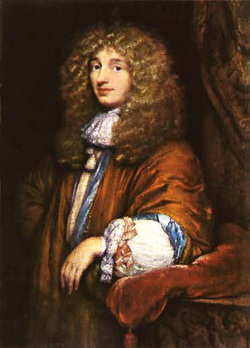
Christiaan Huygens parents are Suzanne van Berle, and Constantine Huygens. Born on April 14, 1629. In the Hague, Netherlands. Died on July 8,1695. In the Hague, Netherlands. He was education was at Leiden University. He studied Laws and Mathematics at Leiden University for 2 years. Then he went to a different college. It is the college of orange at Brenda. In 1663 he was chosen to be a part of the new society called The Royal Society Scientific Academy. The Club was the improvement of science. Christiaan was a fellow member Sir Isaac Newton. Christian is respectful of Isaac research and work, but sometimes he disagreed what Isaac does or says. Earlier Christiaan Huygens focus on math problems. In 1954 he change his focus to telescope. With help from his brother Christiaan came up with a better method of grinding and polishing lenses providing greater clarity. He used the telescope and look at Saturn. With the telescope been better he saw that Saturn was a ring planet. He also saw that Saturn had a big moon he named it Titan. Christiaan also studied about light and its mechanics. He had three theories. "The first suggested that the eye sent out something which registered the world around it. The second proposed that objects emitted something which hit the eye. The third advocated that a medium between the eye and the environment around it changed between the object and the eye, allowing for sight." Base on his third theories Christiaan thought that light travels in waves through a rare substance called Luminiferous ether. But then his theory was rejected by Isaac Newton. Isaac Newton said that Light is composed by serveals small bodies. Christiaan then made the pendulum clock. With errors of less then a minute. So he fixed it and now its errors are 10 sec.
Christiaan Huygens parents are Suzanne van Berle, and Constantine Huygens. Born on April 14, 1629. In the Hague, Netherlands. Died on July 8,1695. In the Hague, Netherlands. He was education was at Leiden University. He studied Laws and Mathematics at Leiden University for 2 years. Then he went to a different college. It is the college of orange at Brenda. In 1663 he was chosen to be a part of the new society called The Royal Society Scientific Academy. The Club was the improvement of science. Christiaan was a fellow member Sir Isaac Newton. Christian is respectful of Isaac research and work, but sometimes he disagreed what Isaac does or says. Earlier Christiaan Huygens focus on math problems. In 1954 he change his focus to telescope. With help from his brother Christiaan came up with a better method of grinding and polishing lenses providing greater clarity. He used the telescope and look at Saturn. With the telescope been better he saw that Saturn was a ring planet. He also saw that Saturn had a big moon he named it Titan. Christiaan also studied about light and its mechanics. He had three theories. "The first suggested that the eye sent out something which registered the world around it. The second proposed that objects emitted something which hit the eye. The third advocated that a medium between the eye and the environment around it changed between the object and the eye, allowing for sight." Base on his third theories Christiaan thought that light travels in waves through a rare substance called Luminiferous ether. But then his theory was rejected by Isaac Newton. Isaac Newton said that Light is composed by serveals small bodies. Christiaan then made the pendulum clock. With errors of less then a minute. So he fixed it and now its errors are 10 sec.
Accomplishments
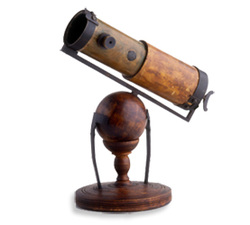
This is a telescope that Christiaan Huygens made and improve the original one. He found a better way of grinding and polishing lenses and with this making the sight better.
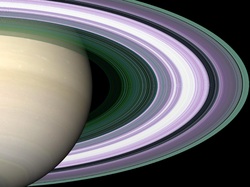
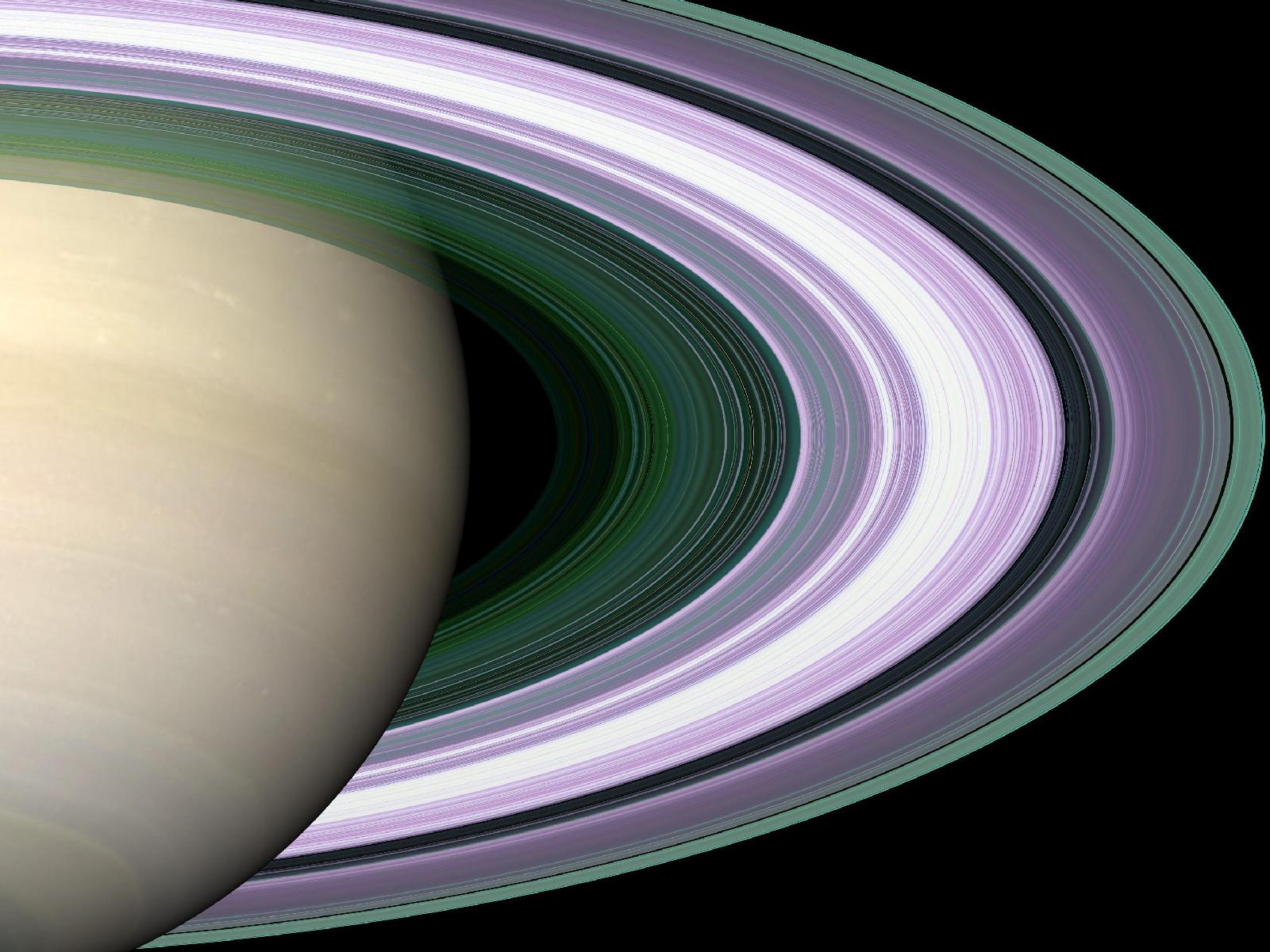
With the better telescope Christiaan found out that Saturn was a ringed planet.
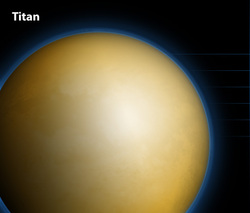
Also with the telescope Christiaan found out that Saturn had a big moon. He named it Titan.
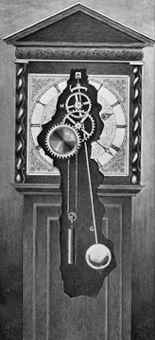
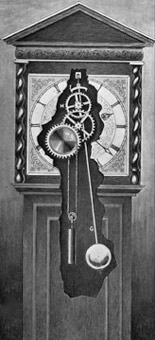
Christiaan Huygens invented the pendulum clock. The pendulum clock uses a pendulum. The pendulum swings back and forth in a precise time. From the 1656s to the 1930s, it was the world's most precise timekeeper.
Bibliography
Images:
http://upload.wikimedia.org/wikipedia/commons/5/51/Christiaan_Huygens.jpg
http://upload.wikimedia.org/wikipedia/commons/thumb/1/17/Huygens_first_pendulum_clock_-_front_view.png/225px-Huygens_first_pendulum_clock_-_front_view.png
http://www.elizabethmvelasquez.com/mm2203/images/history_1651_1700.jpg
http://www.infoplease.com/images/pendulumclock.jpg
http://d1jqu7g1y74ds1.cloudfront.net/wp-content/uploads/2010/02/150.jpg
http://saturn.jpl.nasa.gov/assets/science/images/titan_graphic.jpg
Web sites:
https://www.google.com/?safe=active&ssui=on#q=christiaan+huygens&safe=active
http://inventors.about.com/library/inventors/bl_huygens.htm
http://www.space.com/16070-christiaan-huygens.html
http://en.wikipedia.org/wiki/Pendulum_clock
Videos:
http://www.youtube.com/watch?v=FhIG9jhtsTs
http://upload.wikimedia.org/wikipedia/commons/5/51/Christiaan_Huygens.jpg
http://upload.wikimedia.org/wikipedia/commons/thumb/1/17/Huygens_first_pendulum_clock_-_front_view.png/225px-Huygens_first_pendulum_clock_-_front_view.png
http://www.elizabethmvelasquez.com/mm2203/images/history_1651_1700.jpg
http://www.infoplease.com/images/pendulumclock.jpg
http://d1jqu7g1y74ds1.cloudfront.net/wp-content/uploads/2010/02/150.jpg
http://saturn.jpl.nasa.gov/assets/science/images/titan_graphic.jpg
Web sites:
https://www.google.com/?safe=active&ssui=on#q=christiaan+huygens&safe=active
http://inventors.about.com/library/inventors/bl_huygens.htm
http://www.space.com/16070-christiaan-huygens.html
http://en.wikipedia.org/wiki/Pendulum_clock
Videos:
http://www.youtube.com/watch?v=FhIG9jhtsTs
By:Ryan.
I have chosen Christiaan Huygens because I like space and he is a space scientist.
Something about me
I speak two languages, English and Hmong.
I have chosen Christiaan Huygens because I like space and he is a space scientist.
Something about me
I speak two languages, English and Hmong.