Martin Cooper
what did he do?
martin cooper made the first wireless phone called a cell phone. He also made the first call. The call was to the competitor. martin cooper says that his inspiration of the cell phone was from Kirk using his Communicator from the show star trek.
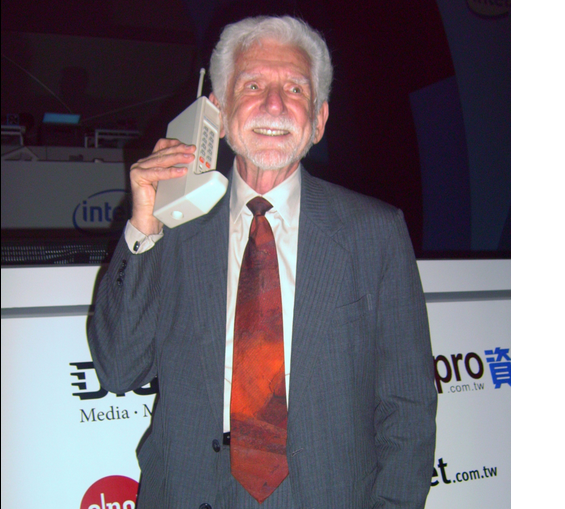
This shows martin cooper with the first cell phone.
Three major inventions
1. cell phone- He invented the first cell phone this is what he most is known most for.
2.police radio system-This is like a small step toward the cellphone .It was made for the Chicago police department.
3. radio spectrum management
2.police radio system-This is like a small step toward the cellphone .It was made for the Chicago police department.
3. radio spectrum management
where did He work?
After the Korean war martin cooper went Illinois. after He graduated from college He joined teletype. He then left in 1954 and went to Motorola. When there the first thin he invent was handheld police radio system. The next thing he made was the cell phone this was made April 3,1973. But,the cell phone was not released until 10 years later to the public.
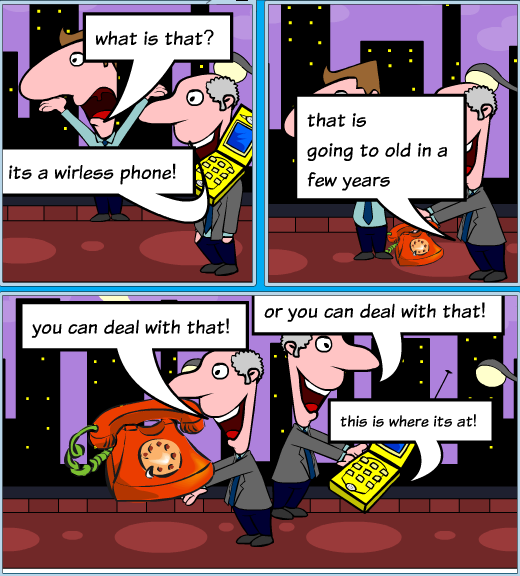

This today is a common phone known as the iphone it can call play game , play music and more!
phone description
size:2.5 pounds
call time:20 minutes
charge time: 10 Hours
features :call,dial and talk.
Cost:$4,000 ($9,000 in 2011 dollars)
size:2.5 pounds
call time:20 minutes
charge time: 10 Hours
features :call,dial and talk.
Cost:$4,000 ($9,000 in 2011 dollars)
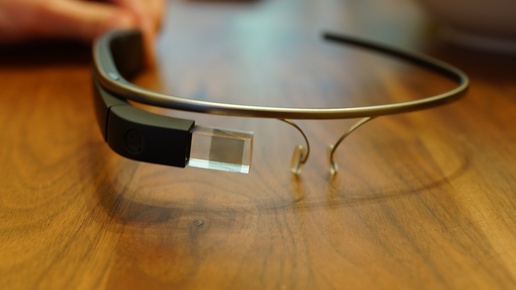
I Think this could very well be the next version of a phone where people can talk without even touching a button.
Bibliography
Cell Phone Inventor Talks of First Cell Call." InformationWeek. N.p., n.d. Web. 14 Jan. 2014.
WebsiteCommentsLinkTagsEditDelete
"Inventor Of Cell Phone: ‘We Are Just Getting Started’." Here Now RSS. N.p., n.d. Web. 14 Jan. 2014.
WebsiteCommentsLinkTagsEditDelete
"Martin Cooper (inventor)." Wikipedia. Wikimedia Foundation, 01 Sept. 2014. Web. 12 Jan. 2014.
WebsiteCommentsLinkTagsEditDelete
"Radio Spectrum." Wikipedia. Wikimedia Foundation, 14 Jan. 2014. Web. 14 Jan. 2014.
Cell Phone Inventor Talks of First Cell Call." InformationWeek. N.p., n.d. Web. 14 Jan. 2014.
WebsiteCommentsLinkTagsEditDelete
"Inventor Of Cell Phone: ‘We Are Just Getting Started’." Here Now RSS. N.p., n.d. Web. 14 Jan. 2014.
WebsiteCommentsLinkTagsEditDelete
"Martin Cooper (inventor)." Wikipedia. Wikimedia Foundation, 01 Sept. 2014. Web. 12 Jan. 2014.
WebsiteCommentsLinkTagsEditDelete
"Radio Spectrum." Wikipedia. Wikimedia Foundation, 14 Jan. 2014. Web. 14 Jan. 2014.
page created kale G-from wisconsin I picked martin cooper because He is not a very known inventor for such popular invetion
